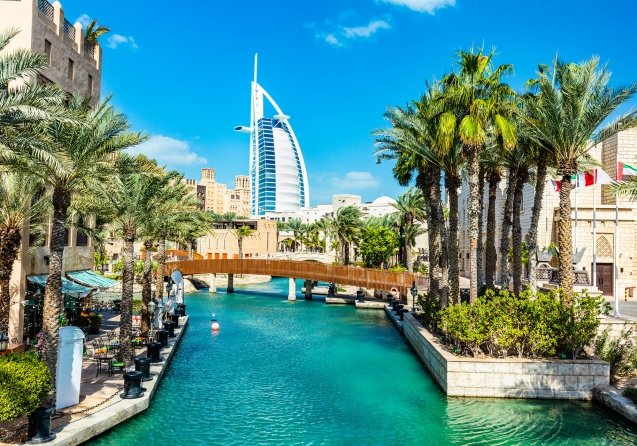

Dubai skyline glowing gold at dusk with the Burj Khalifa rising above the city
Dubai & the United Arab Emirates · A traveller's guide

Say hello to Dubai — and the seven emirates around it.

A warm, plain-English guide to visiting and settling in: what to see, how to get around, what a trip really costs you in time and planning, and how to feel at home fast.

By the end you'll actually understand how the UAE fits together — and how to plan your own first trip.
Start here

New to the UAE? Here's the big picture in four calm steps.

Dubai is one city inside a country of seven. Before any itinerary, it helps to hold the whole shape in your head — then everything else slots in.

1

One country, seven emirates

The UAE is a federation of seven emirates. Dubai and Abu Dhabi are the two you'll hear about most; five quieter ones surround them.

2

Two airports do the heavy lifting

Most visitors arrive at Dubai International (DXB) or Abu Dhabi (AUH). From either, the others are a short drive on excellent highways.

3

Pick a base, take day trips

Many people stay in Dubai and treat the rest as day trips — desert, mountains, mosques and beaches are all within a couple of hours.

4

Plan around the heat

The single biggest planning lever is the season. Roughly November to March is the comfortable window; high summer is intense.

How to read this guide: each section opens with a one-line short answer in a gold box — skim just those and the headings and you'll get most of the value. Dive into the detail only where you need it.
Part one · The lay of the land
First, the basics

So what exactly is "Dubai" — a city, or a country?

Short answer

Dubai is a city and an emirate — one of seven that make up the United Arab Emirates. The country sits on the Arabian Peninsula, on the Persian (Arabian) Gulf, next to Saudi Arabia and Oman.

People say "I'm going to Dubai" the way they'd say "I'm going to New York", but it helps to know the frame around it. The United Arab Emirates was formed in 1971 as a union of emirates, each historically its own sheikhdom. Abu Dhabi is the federal capital and the largest emirate by area; Dubai is the best-known internationally and the commercial and tourism engine.

The official language is Arabic, but English is spoken almost everywhere — on signs, in shops, in taxis and hotels — because the population is famously international, with residents from across the world. The currency is the UAE dirham (AED), and the country is known for safety, modern infrastructure and a year-round sunny climate.

Good to know: the working week is Monday to Friday, with Friday a shorter day and the weekend on Saturday and Sunday, in line with most international business.
Traditional wind-tower houses and wooden abra water taxis on Dubai Creek in the historic Al Fahidi district
Old Dubai at the Creek — wind-tower houses and wooden abra taxis, a short walk from the skyscrapers.
Part two · The seven emirates

Meet the seven emirates — what each one is actually for.

Same country, very different moods. Here's the honest one-line on each, plus the landmarks worth your time. Think of it as choosing which days out to build around.

Short answer

Stay in Dubai for the icons and nightlife, Abu Dhabi for grandeur and culture, Sharjah for heritage and museums, and the four northern emirates (Ajman, Umm Al Quwain, Ras Al Khaimah, Fujairah) for beaches, mountains and a slower pace.

Dubai Marina at night with illuminated towers reflected on the water

Dubai The icon

The showpiece: record-breaking architecture, world-class shopping and dining, and an energy that runs from dawn dune-bashing to late-night dinner cruises.

  • Burj Khalifa & The Dubai Fountain
  • The Dubai Mall
  • Al Fahidi Fort / Dubai Museum & the souks
  • Dubai Marina & Dubai Creek
Abu Dhabi cityscape

Abu Dhabi The capital

The federal capital — grand, cultural and a little calmer than Dubai. Marble mosques, museum districts and family attractions sit beside open desert.

  • Sheikh Zayed Grand Mosque
  • Ferrari World & Yas Waterworld
  • Heritage Village
  • Al Jahili Fort (Al Ain)
Traditional souk interior with lanterns and textiles

Sharjah The cultural one

The UAE's heritage and arts heart, recognised internationally for its museums and restored old quarters. A short hop north of Dubai.

  • Sharjah Heritage Area
  • Al Qasba & the Eye of the Emirates wheel
  • Sharjah Art Museum
  • Sharjah Mosque
Calm turquoise Gulf beach

Ajman The compact escape

The smallest emirate: easy beaches, a relaxed corniche and a maritime past you can still see in its working dhow yard.

  • Ajman Corniche & beaches
  • Ajman National Museum
  • The Dhow Yard
  • Al Zorah nature reserve & mangroves
Golden desert dunes at sunset

Umm Al Quwain The quiet one

The least-developed emirate and all the better for it: lagoons, mangroves and old forts, with barely a crowd in sight.

  • Umm Al Quwain Fort
  • Falaj Al Mualla (historic falaj)
  • Mangrove kayaking & birdlife
  • Quiet Gulf beaches
Rugged Hajar Mountains above a turquoise reservoir

Ras Al Khaimah The adventure one

Where the Hajar Mountains meet the Gulf — the emirate for hiking, the country's highest peak and big-sky scenery, plus ancient forts.

  • Jebel Jais (UAE's highest peak)
  • Dhayah Fort
  • Sheba's Palace archaeology
  • Beaches & mangrove kayaking
White marble mosque with domes and minarets at morning light

Fujairah The east coast

The only emirate on the Gulf of Oman, not the Arabian Gulf — meaning real mountains, diving-grade water and the country's oldest mosque.

  • Al Bidya Mosque (oldest in the UAE)
  • Fujairah Fort
  • Snorkelling & diving reefs
  • Coastal dhow cruises

In plain terms: if you only have a few days, base in Dubai and pick two or three of these as day trips. With a week or more, an east-coast night in Fujairah or a mountain day in Ras Al Khaimah is well worth the drive.

Part three · What to actually do

What are the things you shouldn't miss?

Short answer

Mix one or two icons (Burj Khalifa, a grand mosque), one desert experience, one slice of old-town heritage, and at least one water day — beach, cruise or the coast. That balance is what makes a UAE trip feel complete rather than rushed.

🏙️

See the icons

Ride to the top of the Burj Khalifa, watch The Dubai Fountain after dark, and browse The Dubai Mall. Go early or late to dodge the midday heat and crowds.

🐪

Head into the desert

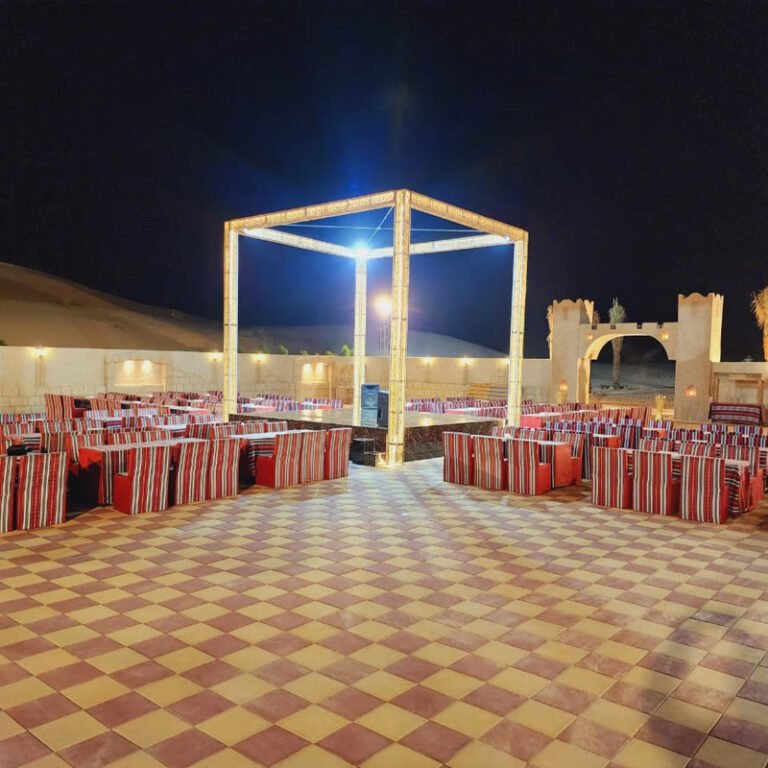
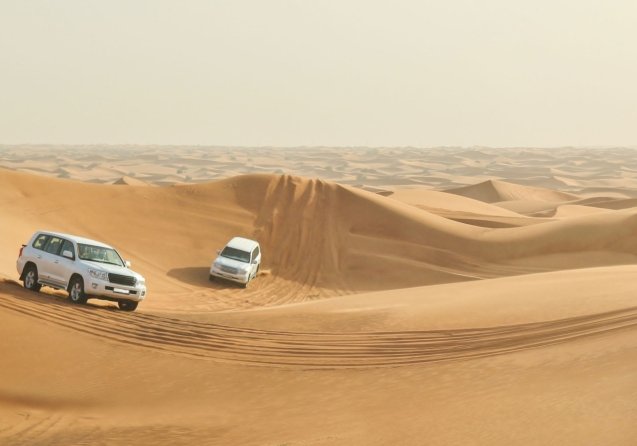
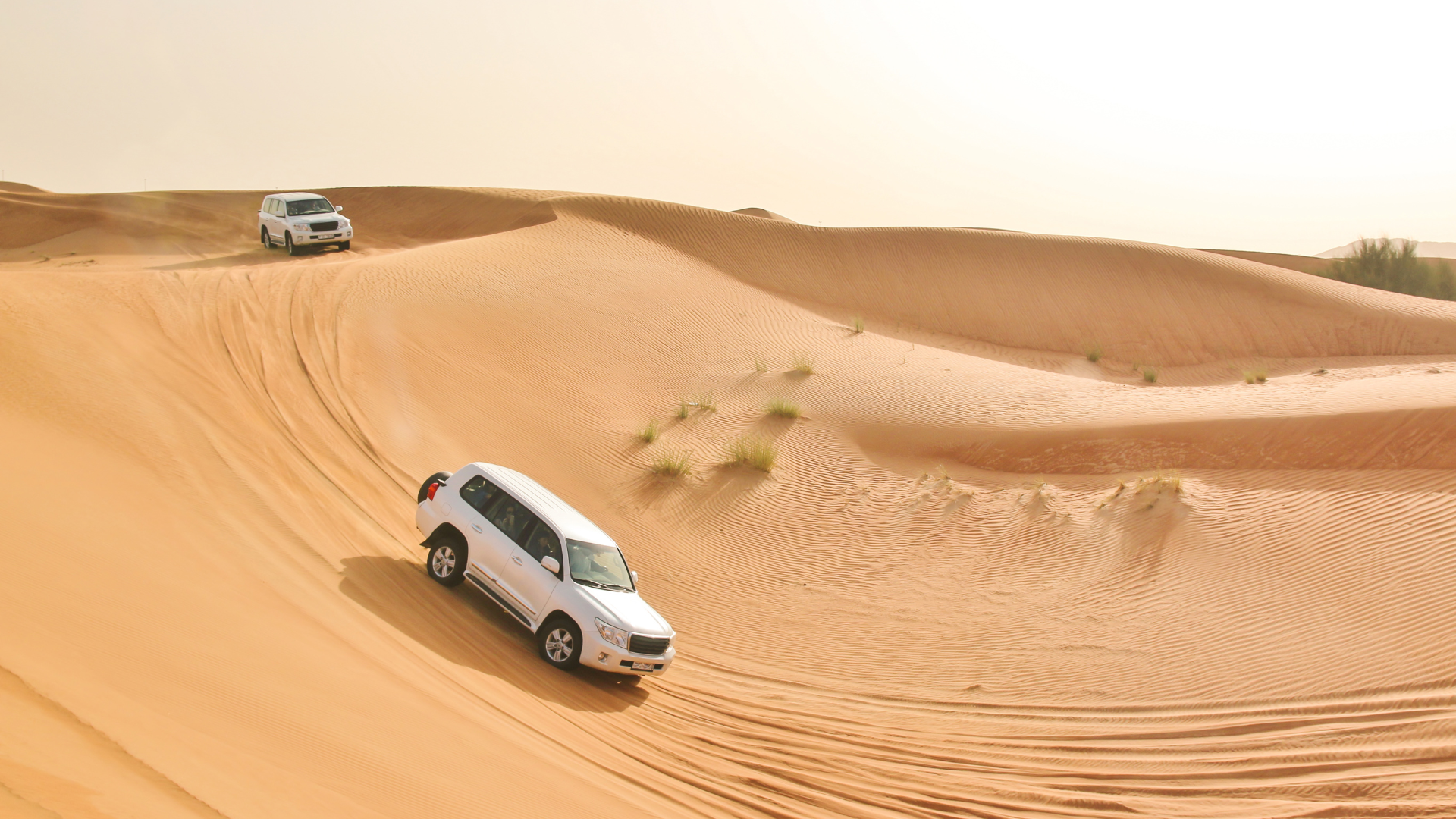
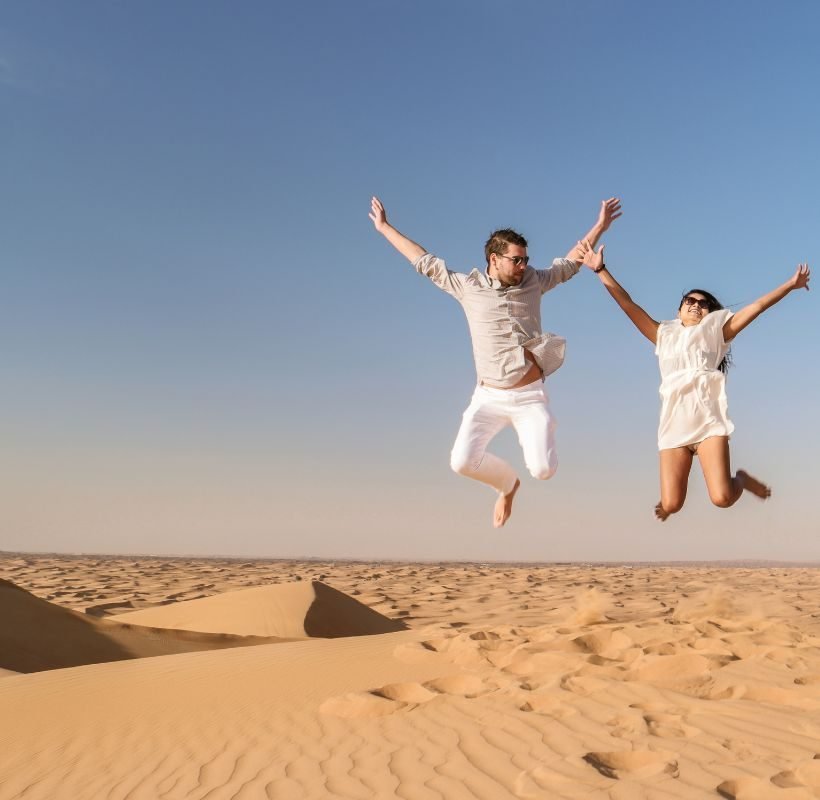
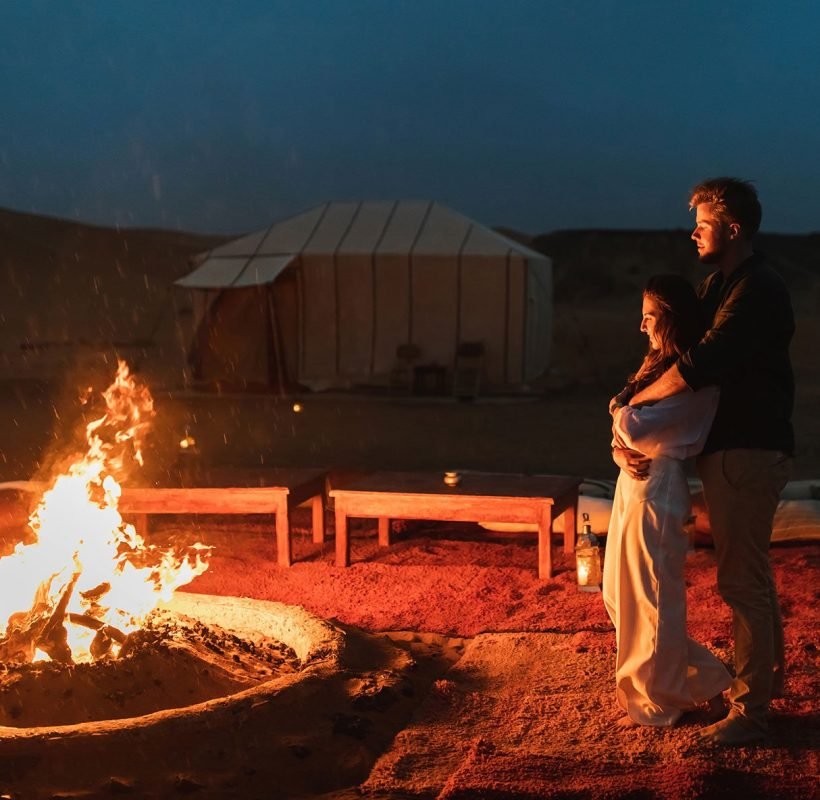
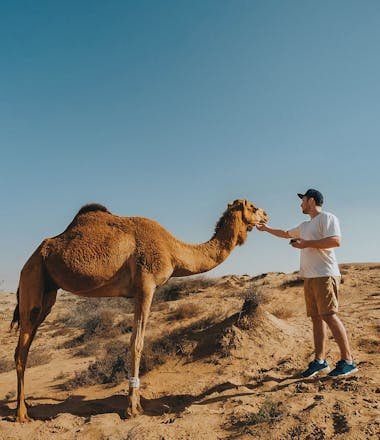
A desert safari is the classic half-day out — dune drives, camel rides and a starlit camp dinner. Mornings are cooler; evenings come with sunsets.

🕌

Visit a grand mosque

The Sheikh Zayed Grand Mosque in Abu Dhabi is open to respectful visitors. Dress modestly, cover shoulders and knees, and check visiting hours.

🛶

Wander old town & the souks

Cross Dubai Creek by traditional abra, lose an hour in the gold and spice souks, and step into the Al Fahidi heritage quarter.

🛥️

Get on the water

A Marina dinner cruise, a Gulf beach day, or snorkelling off Fujairah's east coast. Water is the easiest way to cool down and slow down.

🏔️

Reach for the mountains

Drive to Hatta's reservoir or up Jebel Jais in Ras Al Khaimah for hiking, viewpoints and a genuinely different, cooler landscape.

"Dubai surprises people twice — first with how futuristic it is, then with how much old Arabia is still alive a few streets away."The two-Dubais rule

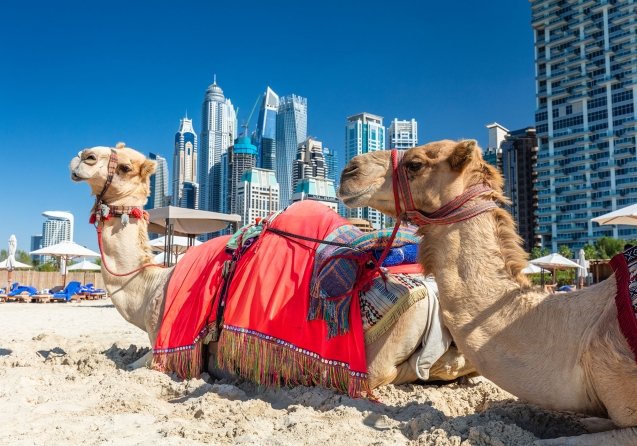
Bright turquoise Gulf beach with soft golden sand
Jumeirah's beaches put soft sand and warm Gulf water minutes from the city.
Part four · Where to stay

Which part of Dubai should you base yourself in?

Short answer

For first-timers, Downtown (icons) or Dubai Marina / JBR (beach + buzz) are the easiest bases. For heritage and value, stay near Deira and Bur Dubai by the Creek.

Dubai is spread out, so where you sleep shapes your trip more than in a compact European city. These are the areas most visitors choose, and what each is good for:

A quick orientation, not a ranking — every area connects easily by Metro or taxi.
AreaBest forThe vibe
Downtown DubaiFirst-timers, sightseeingThe Burj Khalifa, the Fountain and the Mall on your doorstep.
Dubai Marina & JBRBeach + nightlifeWaterfront towers, a beach walk, cafés and dinner cruises.
JumeirahBeach days, familiesLow-rise, calm, open public beaches and the Burj Al Arab view.
Palm JumeirahResort splurgeThe famous palm-shaped island — big resorts, Atlantis, sea views.
Deira & Bur DubaiHeritage, valueOld Dubai by the Creek: souks, history, more budget-friendly stays.
Business BayModern + centralSleek high-rises beside Downtown, canal-side, well connected.
Part five · The practical stuff
Getting around

How do you get around Dubai and between the emirates?

Short answer

Inside Dubai, the Metro plus taxis covers almost everything cheaply. Between emirates, a car or a booked tour is easiest — the highways are excellent and distances are short.

Dubai's Metro is clean, driverless and air-conditioned, running along the main spine of the city; you tap on with a rechargeable Nol card, which also works on buses, trams and the water bus. Taxis and ride-hailing apps are plentiful, metered and reasonable.

To reach the other emirates, most travellers either rent a car or join a day tour. Roads are modern, well-signed and fast, and an automatic toll system (Salik) handles certain gateways — no booths to stop at.

Heat & safety

From late spring through summer the heat is no joke — carry water, plan outdoor sightseeing for early morning or evening, and use the cooled Metro and malls in the middle of the day. The emergency number across the UAE is 999 (police), with 998 for ambulance and 997 for fire.

Smooth golden desert dunes stretching to the horizon at sunset
Beyond the highways: the desert begins surprisingly close to every emirate.
Rough drive times from central Dubai — real conditions vary, but distances here are genuinely short.
From Dubai to…Typical driveGo for
Sharjah~30–45 minMuseums, heritage area, Al Qasba
Ajman~45 minBeach + corniche escape
Abu Dhabi~1.5 hoursGrand Mosque, Ferrari World, capital sights
Umm Al Quwain~1 hourQuiet lagoons, forts, mangroves
Ras Al Khaimah~1.5 hoursMountains, Jebel Jais, beaches
Fujairah~1.5–2 hoursEast coast, diving, oldest mosque
Visiting & settling in

What about visas, money and moving here?

Short answer

Many nationalities get a visa on arrival or visa-free entry as tourists; others apply online in advance. If you're relocating, residency normally comes through an employer or a recognised long-stay route — and rules change, so confirm the current details with official sources before you book or commit.

Tourist entry. Several nationalities receive visa-free or visa-on-arrival access for a set number of days; others apply for an e-visa beforehand. Always check the latest list for your passport.
Passport validity. As a rule of thumb, keep at least six months' validity on your passport, and check any onward-travel requirements.
Money. The currency is the UAE dirham (AED). Cards are accepted almost everywhere; ATMs are common. It's a largely cashless, modern economy.
Language. Arabic is official; English is the everyday working language for most visitors and a huge share of residents.
Residency & work. Long-stay residence is typically sponsored by an employer, or via recognised investor / skilled / remote-work routes that have appeared in recent years.
Healthcare. The UAE has modern private and public healthcare; residents are generally required to hold health insurance. Visitors should travel insured.
Connectivity. A local SIM or eSIM is cheap and fast to set up; public Wi-Fi is widespread across malls, hotels and cafés.
Climate to budget for. Year-round sun, very hot summers, mild pleasant winters — your packing and your plans both follow the season.

Please verify before you rely on it: visa eligibility, fees and residency rules genuinely do change. This guide explains how the system works in general terms; for your specific passport and situation, confirm with the official UAE government and immigration channels listed in Sources before booking or making decisions.

Part six · Timing your trip

When is the best time to visit?

Short answer

The comfortable season is roughly November to March, when days are warm and pleasant. April and October are warmer shoulder months; June to September is very hot, best for indoor attractions, pools and great hotel value.

"In plain terms": pick winter for sightseeing comfort, summer for deals and indoor fun.
SeasonFeels likeBest for
Nov–MarWarm & comfortableSightseeing, desert safaris, beaches, outdoor dining — peak season.
Apr & OctHot but doableShoulder season — warmer days, thinner crowds, softer prices.
Jun–SepVery hot & humidMalls, museums, indoor parks, hotel pools — and the best room rates.
Plan around it: if your dates fall in the Holy Month of Ramadan, expect a more reflective atmosphere, adjusted hours and daytime fasting in public — many visitors enjoy the evenings, but it's worth knowing in advance and being respectful.
Feeling at home

How do you stay respectful and relaxed as a visitor?

Short answer

The UAE is welcoming and easygoing for tourists — just dress modestly in public and religious places, ask before photographing people, and follow local norms around alcohol and Ramadan. A little awareness goes a long way.

You don't need to overthink it. The country is deeply international and used to visitors; common courtesy covers most situations. A few simple habits keep everything smooth and show genuine respect for your hosts.

Serene white marble mosque with domes and minarets reflected in a courtyard pool
At mosques and heritage sites, modest dress and a quiet manner are simply part of the experience.
Dress. Beachwear is for the beach and pool; in malls, souks and especially mosques, cover shoulders and knees.
Photos. Ask before photographing people, and avoid photographing government, military or some religious sites.
Public behaviour. Keep public displays of affection low-key; be calm and polite in disputes.
Alcohol. Available in licensed hotels, bars and restaurants — not something to carry or consume in the street.
Ramadan. If you visit during the Holy Month, avoid eating, drinking or smoking in public during daylight as a courtesy.
A warm hello. A friendly "As-salamu alaykum" and a smile are always appreciated — hospitality is a real point of pride here.
Quick answers

Frequently asked questions

Is Dubai safe for tourists?

The UAE is widely regarded as one of the safer travel destinations, with very low rates of street crime and a strong, visible focus on order and security. As anywhere, use normal common sense, and remember the country has its own laws and customs worth respecting. The nationwide police emergency number is 999.

Do I need a visa to visit?

It depends entirely on your nationality. Many passports receive visa-free entry or a visa on arrival for a set period; others apply for an e-visa in advance. Because eligibility and durations change, always check the current rules for your specific passport with official UAE sources before you travel.

How many days do I need for a first trip?

Three to four full days let you cover Dubai's icons plus a desert safari and a day in Abu Dhabi. With five to seven days you can add the east coast (Fujairah), the mountains (Ras Al Khaimah) and a slower beach day in one of the northern emirates.

What should I wear?

Light, breathable clothing for the climate, with modest options for malls, souks and especially mosques (covering shoulders and knees). Bring a layer for fiercely air-conditioned indoor spaces, and swimwear for beaches and hotel pools.

What language do people speak, and what currency is used?

Arabic is the official language, but English is spoken almost universally in tourist and business settings. The currency is the UAE dirham (AED), and card payments are accepted nearly everywhere.

Can I drink alcohol in the UAE?

Yes, in licensed venues such as hotel bars and many restaurants. It isn't sold or consumed in public streets, and you should never drink and drive — the UAE enforces a zero-tolerance policy on drink-driving.

Is it worth leaving Dubai to see the other emirates?

Very much so. Abu Dhabi's mosque and museums, Sharjah's heritage, Ras Al Khaimah's mountains and Fujairah's east-coast diving each offer something Dubai itself doesn't — and they're all within a short, easy drive.

Sources & further reading

Where these facts come from

This is an independent, evergreen travel resource. General facts about the UAE — geography, the seven emirates, climate, language and travel basics — are drawn from widely published, authoritative references. For anything that can change (especially visas, fees and residency), always confirm with the official channels below before you rely on it.

  • Official UAE Government Portal — u.ae — the federal government's own guidance on visiting, visas, residency and services.
  • Visit Dubai — visitdubai.com — Dubai's official tourism board, for attractions and current visitor information.
  • Visit Abu Dhabi — visitabudhabi.ae — the capital's official tourism resource.
  • UAE emirates & geography — standard encyclopaedic references (e.g. Britannica, Wikipedia) for the federation's formation, emirates and basic facts.
  • Your government's travel advice — your own foreign-office / state-department travel pages for entry rules and safety guidance specific to your nationality.
  • Roads & transport — the Roads and Transport Authority (RTA) for Dubai Metro, Nol cards and public transport details.
An honest note: we deliberately don't quote specific tour prices, package costs or operator contact details on this page — those vary constantly and are best confirmed directly with licensed providers. What you'll find here is the durable, practical understanding that makes planning the rest easy.